During the operation of the permanent magnet drum magnetic separator, the
bearing temperature remains consistently high, causing the outer shell of the
bearing seat to become too hot to stay when touched by hand, which is a
potential equipment hazard encountered by many customers. If the bearing
overheating is not dealt with in a timely manner, it can lead to the loss of
lubricating grease and accelerated wear, and in severe cases, the bearing may
get stuck and cause the drum to stop rotating, forcing the entire production
line to be interrupted.
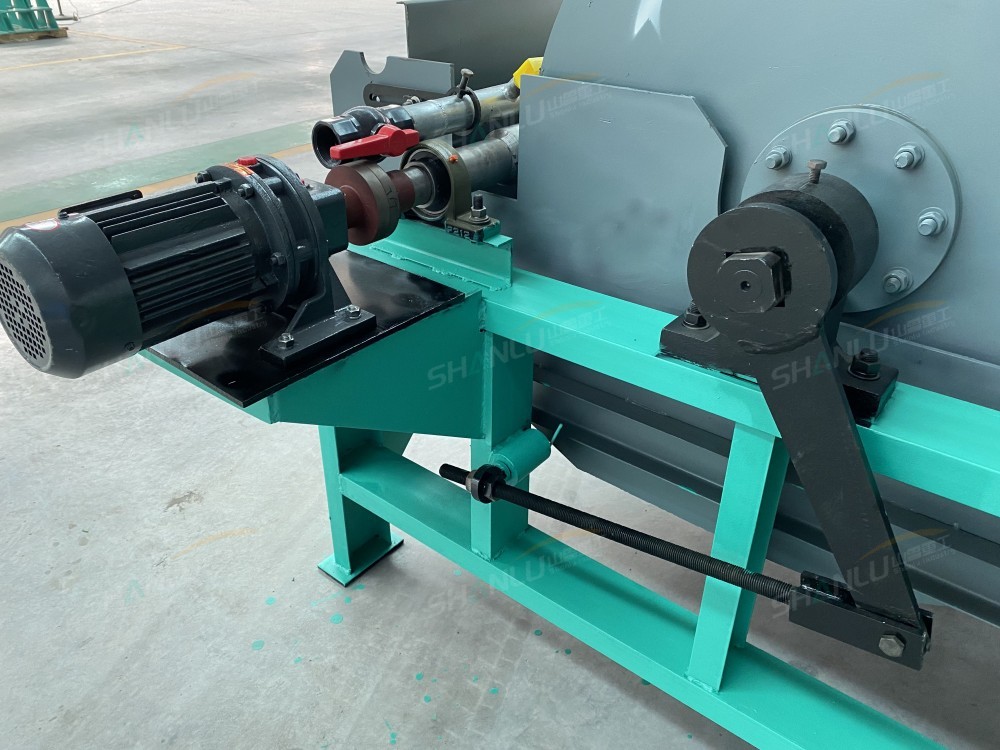
Insufficient or deteriorated lubricating grease is the most common cause of
bearing overheating. Roller bearings work in high dust environments, and the
consumption of lubricating grease is fast. After a lack of oil, the ball and
raceway directly rub against each other, and the temperature rises rapidly. It
is recommended to check the bearing temperature once a week, and it should be
controlled below 65 ℃ normally. Recharge lithium based grease every 500 working
hours and replace it thoroughly every six months. Be careful not to overfill
when adding, as filling too much lubricating grease can also cause stirring and
heating. If the old grease has turned black and hardened, it indicates that it
has deteriorated and the bearing chamber needs to be cleaned before
refilling.
Bearing wear or improper installation can also lead to high temperatures.
After long-term operation, the ball bearings wear out, the cage deforms, the
rotational resistance increases, and the temperature rises accordingly. Rotate
the drum by hand. If there is a noticeable jolt or abnormal noise, it indicates
that the bearing is damaged and needs to be replaced immediately. When
installing a new bearing, use a special tool to press it evenly and avoid
hitting it directly with a hammer. The hidden damage caused by hitting can
quickly cause the new bearing to overheat again. The clearance between the
bearing and the shaft also needs to be checked. When the interference fit is
insufficient, the inner ring of the bearing slips on the shaft, causing friction
and heat generation.
Sealing failure causes dust to enter the bearing chamber, accelerating wear
and heating. After the aging of the sealing rings at both ends of the drum,
quartz sand dust infiltrates the bearing chamber and mixes with lubricating
grease to form a grinding paste, increasing the wear rate of the bearing
exponentially. Check the condition of the sealing ring once every quarter, and
replace it immediately if hardening or cracking is found. When installing a new
sealing ring, apply an appropriate amount of lubricating grease to the lip to
improve the sealing effect and facilitate the next disassembly.
Pay attention to observing whether there is oil leakage, abnormal noise or
vibration in the bearing seat during daily inspections. When the temperature
remains consistently high, check the lubricating grease first, then the bearing
condition, and finally the seal one by one. For equipment operation related
issues, please call Manager Zhang at 13583776655 (same as WeChat) at Shandong
Heavy Industry.