The vibration motor is the power source of the dewatering screen, and burning
is one of the most serious faults reported by customers. When the motor burns,
the entire sieve stops, and replacement can take half a day or even a day,
affecting the operation of the production line. The problem often lies in three
aspects: heat dissipation, wiring, and operating load.
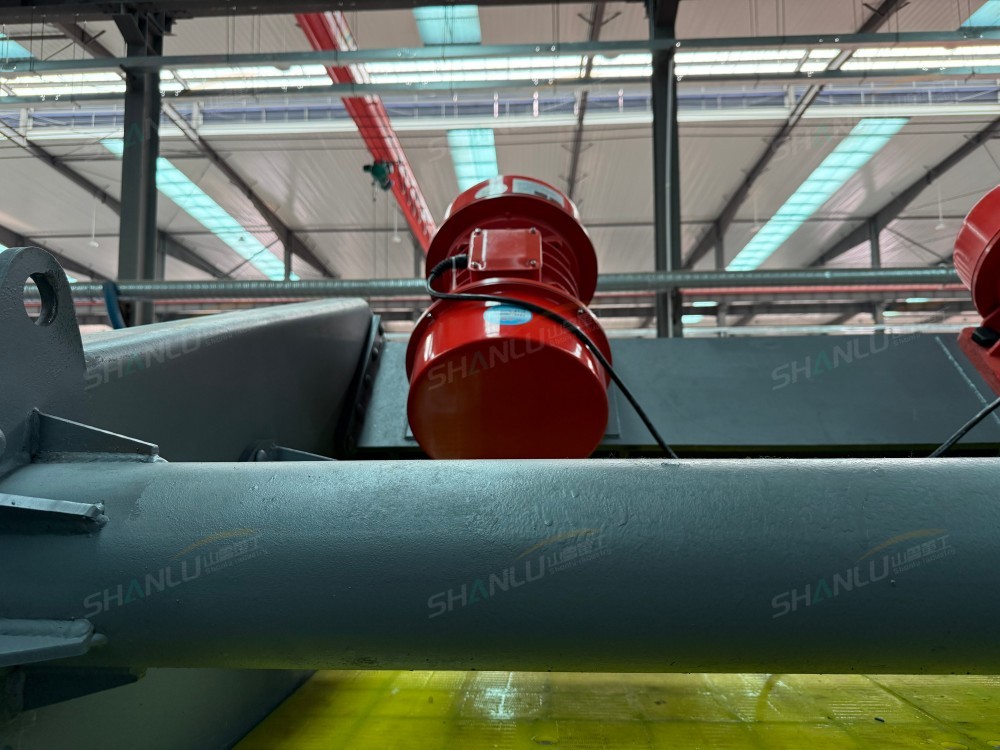
Poor heat dissipation is the primary cause of motor burnout. The vibration
motor generates a large amount of heat on its own, which is carried away by the
heat dissipation fins on the outer shell and the surrounding air circulation.
The installation location has poor ventilation, or the heat sink is covered with
dust and oil, causing the motor temperature to continue to rise and the
insulation layer to accelerate aging, ultimately resulting in inter turn short
circuit and burnout. It is recommended to clean the dust and oil stains on the
cooling fins of the motor casing once a month to maintain smooth ventilation.
During daily inspections, touching the motor casing with the back of your hand
and making it too hot to stay indicates that the temperature has exceeded the
standard, and the machine should be stopped immediately for troubleshooting.
Loose wiring terminals can also cause the motor to burn out. The vibration
motor operates under high-frequency vibration, and the terminals inside the
junction box are prone to loosening. After the contact resistance increases,
local heating may occur, and in severe cases, the wiring may be burned off or
even the insulation layer may be ignited. Every quarter, open the junction box
and tighten the terminals one by one with a screwdriver. Ensure waterproof
sealing of the cable entry port to prevent dust and moisture from entering. If
blackening or burn marks are found on the terminals, they need to be replaced
and the cable insulation checked for damage.
Long term overload operation, the motor cannot withstand it. When the feeding
amount exceeds the rated processing capacity of the screening machine, the motor
load increases, the current rises, and the temperature rises accordingly. Check
if the operating current exceeds the rated value on the nameplate, and adjust
the feeding amount appropriately if it exceeds the standard. In addition, loose
installation bolts of the motor can cause relative displacement between the
motor and the screen box, reduce the efficiency of vibration energy
transmission, and increase the load on the motor, which can also lead to
overheating and burning. Check the tightening of installation bolts once a
month.
Record the motor operating current and temperature once per shift during
daily inspections, and promptly handle any abnormalities found. Encountering
problems during equipment operation, welcome to contact the technical team of
Shandong Heavy Industry for communication: Manager Zhang 13583776655 (same as
WeChat).