Ceramic filters are widely used in the dewatering of quartz sand
concentrates, but many customers have found that the processing capacity of the
equipment significantly decreases after several months of operation, resulting
in thinning of the filter cake and an increase in moisture content. The problem
is not with the filter itself, but with the inadequate cleaning and regeneration
process of the ceramic plates.
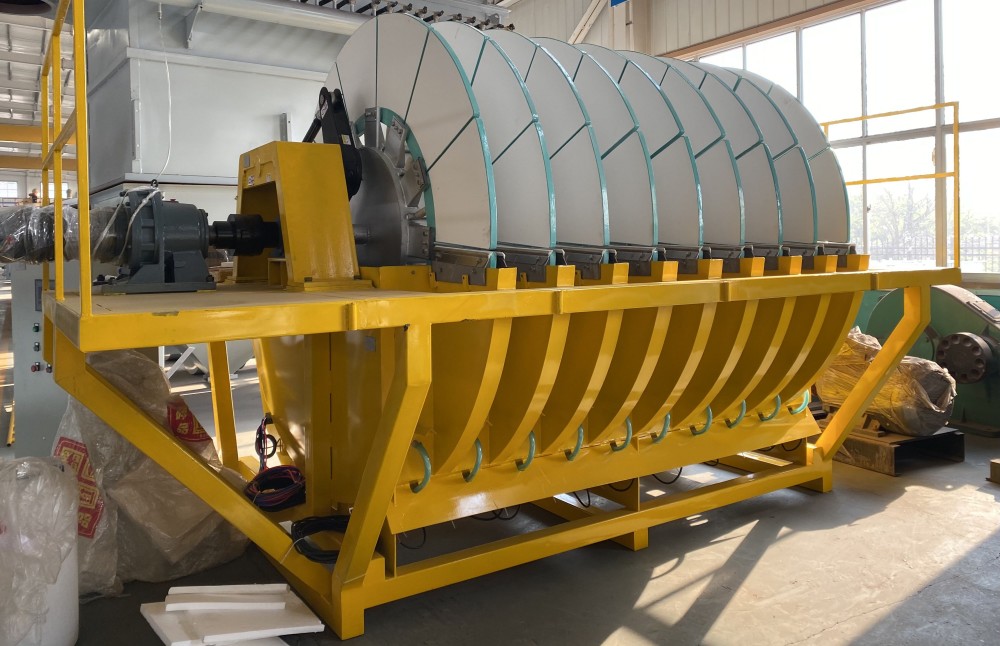
There are two main reasons for the blockage of micropores in ceramic plates.
One reason is that fine particles in the slurry are embedded inside the pores,
and conventional high-pressure water backwashing cannot flush them out. The
second reason is that the pickling cycle is unreasonable, and the residual
calcium and magnesium deposits on the surface and inside the pores of the
ceramic plate gradually accumulate, blocking the micropores. Suggest adjusting
the pickling cycle from empirical "once a month" to judging based on changes in
filtrate flow rate. When the filtrate flow rate decreases by more than 20% at
the same feed concentration, an acid wash should be arranged. When pickling,
soak in a 2% -3% oxalic acid or citric acid solution for 4-6 hours, and then
rinse with clean water until neutral. Although strong acids such as nitric acid
have good cleaning effects, they can cause irreversible damage to the ceramic
substrate and are not recommended for use.
Pay attention to whether the ultrasonic cleaning device is working properly
during daily maintenance. The physical oscillation effect of ultrasound can
effectively loosen stubborn blockages in the pore, and it is more effective when
combined with chemical cleaning. If the ultrasonic oscillator is damaged or the
power attenuates, it is difficult to restore the original flux of the ceramic
plate solely by acid washing. For issues related to equipment operation
optimization, please contact the technical team of Shandong Heavy Industry for
communication and exchange: Manager Zhang 13583776655 (same as WeChat).