When the permanent magnet drum magnetic separator operates in the quartz sand
wet process production line, it is a common problem encountered by many
customers that water enters the cylinder. The slurry seeps into the interior of
the drum from the sealed area, which can cause the magnetic block to become damp
and demagnetized, and in severe cases, rust the magnetic yoke and bearings. The
equipment's ability to remove iron is greatly reduced, and in severe cases, the
entire magnetic separator can be scrapped. The root cause of the problem is
mostly on the seals.
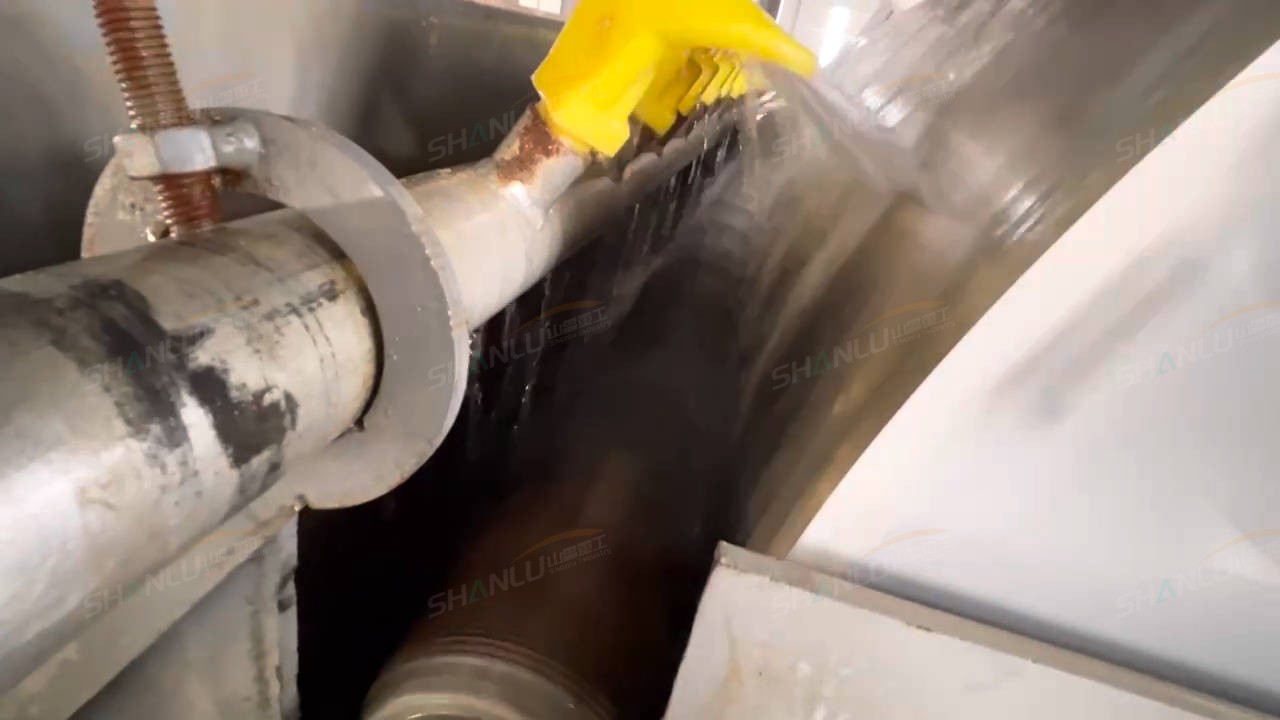
The aging and failure of the sealing ring is the primary cause of water
ingress into the cylinder. Skeleton oil seals or O-ring seals are usually used
at both ends of the drum. After long-term operation under slurry immersion and
temperature changes, the rubber gradually hardens, cracks, and loses its sealing
effect. It is recommended to check the condition of the sealing ring once a
quarter by pressing the sealing lip with your fingers. If it feels hard or
cracked, it should be replaced immediately. Apply an appropriate amount of
lithium based grease to the sealing lip during replacement, which can improve
the sealing effect and facilitate the next disassembly. When installing a new
sealing ring, pay attention to the direction, and the lip should face the slurry
side to effectively block liquid infiltration.
Loose bolts on the end cover of the cylinder can also cause water ingress.
The drum is continuously subjected to vibration during operation, and the fixing
bolts of the end cover are prone to loosening, resulting in gaps in the sealing
surface and the infiltration of slurry through the gaps. During each shutdown
maintenance, use a torque wrench to check the end cap bolts one by one and
tighten them evenly in diagonal order. If the bolt hole is found to be slipping,
it is necessary to re tap or replace the end cap. Applying a layer of sealant on
the joint surface between the end cap and the cylinder during assembly can
further improve the waterproof effect.
Wear or cracks on the surface of the drum are also hidden channels for water
ingress. Quartz sand has high hardness, and after long-term friction, the
cylinder skin wears thin, and even small cracks appear locally. The slurry seeps
into the cracks. Measure the thickness of the cylinder skin with a caliper every
month, and replace it promptly when the wear is close to one-third of the
original thickness. If there are cracks on the surface of the cylinder, it can
be repaired by chamfering with an angle grinder, and then polished flat before
being put into use.
During daily inspections, pay attention to whether there are any water
droplets thrown out when the drum rotates, or open the end cover after stopping
the machine to observe whether there are any signs of water accumulation inside.
After discovering water ingress, the machine should be stopped immediately for
drainage, and the interior of the cylinder should be dried with hot air to check
the status of the magnetic blocks and bearings. For equipment operation related
issues, please call Manager Zhang at 13583776655 (same as WeChat) at Shandong
Heavy Industry.